7 Tanong na Hindi Ka Tinatanong ng Bangko Kapag Tumaas ang Interest Rates sa 2026 (Bago Ka Mawalan ng Pera Kahit May Bahay at Kotse Ka Pa)
content ->
Table of Contents
- What is Sustainable Living?
- Benefits of Sustainable Living
- Practical Tips for Sustainable Living
- Sustainable Living in the Home
- Sustainable Transportation Options
- The Future of Sustainable Living
What is Sustainable Living?
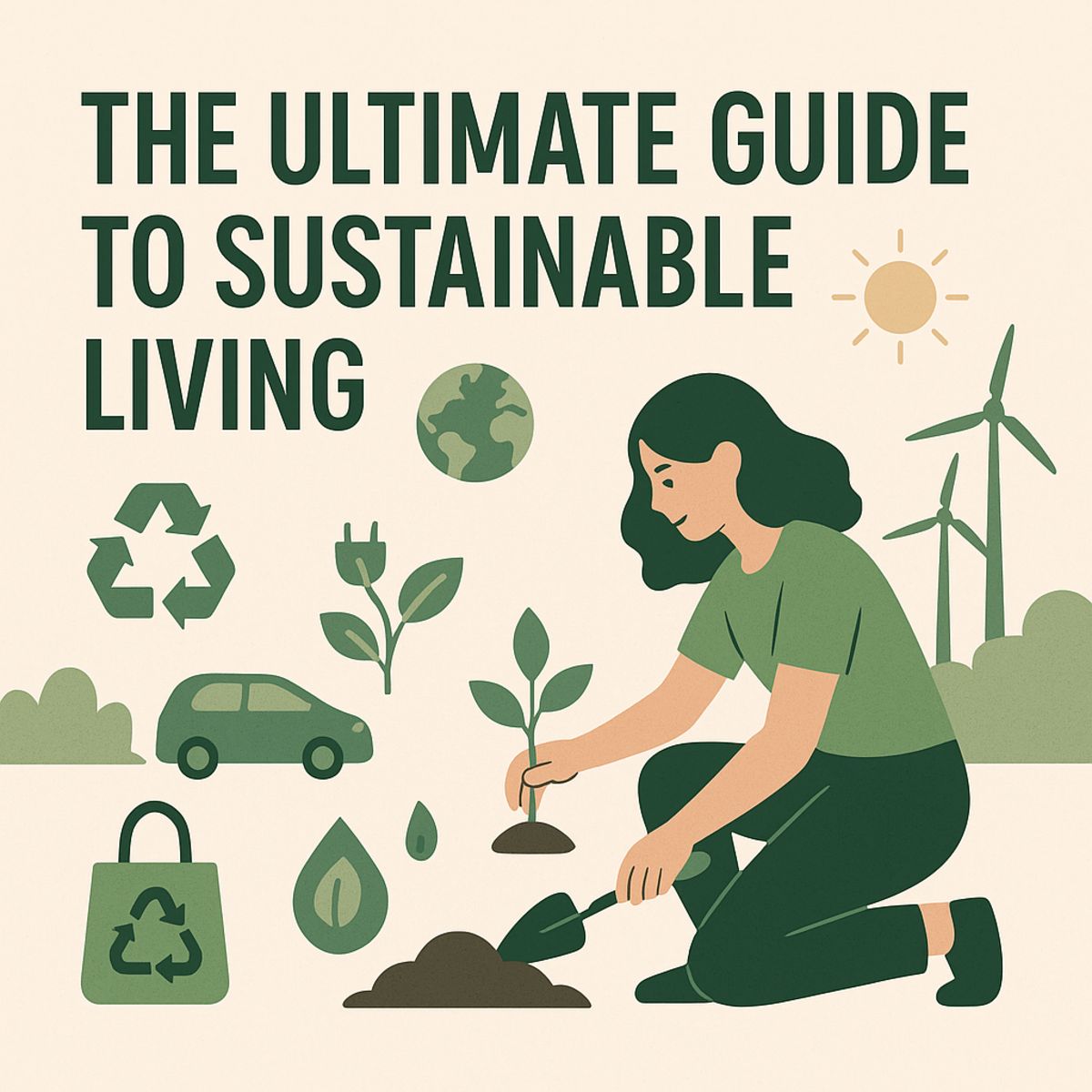
Sustainable living is a lifestyle that aims to reduce an individual’s or society’s use of the Earth’s natural resources. It encompasses a wide range of practices and philosophies that promote environmental stewardship, social equity, and economic viability. At its core, sustainable living seeks to meet the needs of the present without compromising the ability of future generations to meet their own needs.
This concept is rooted in the understanding that our planet has finite resources, and our current consumption patterns are leading to environmental degradation, climate change, and social inequalities. By adopting sustainable practices, individuals can contribute to a healthier planet and a more equitable society.
Benefits of Sustainable Living
There are numerous benefits associated with sustainable living, both for individuals and for society as a whole. One of the most significant advantages is the positive impact on the environment. By reducing waste, conserving energy, and utilizing renewable resources, sustainable living helps to mitigate climate change and preserve biodiversity.
Additionally, sustainable living can lead to improved health outcomes. Many sustainable practices, such as eating a plant-based diet, using non-toxic products, and engaging in outdoor activities, promote physical well-being. Furthermore, sustainable living often fosters a sense of community and social connection, as individuals come together to support local initiatives and share resources.
Practical Tips for Sustainable Living
Implementing sustainable practices in your daily life doesn’t have to be overwhelming. Here are some practical tips to get started on your journey towards sustainable living:
1. Reduce, Reuse, Recycle: Start by minimizing waste. Reduce your consumption of single-use items, reuse containers and products whenever possible, and recycle materials according to your local guidelines. This simple triad can significantly decrease the amount of waste that ends up in landfills.
2. Conserve Water: Simple actions like fixing leaks, taking shorter showers, and using water-efficient appliances can drastically reduce your water consumption. Consider collecting rainwater for gardening and other non-potable uses.
Sustainable Living in the Home
Your home is a significant contributor to your overall environmental footprint. Making sustainable choices in your living space can lead to substantial benefits. Start by evaluating your energy consumption. Switching to energy-efficient appliances and LED lighting can reduce your electricity usage and lower your utility bills.
Another important aspect of sustainable living at home is the use of eco-friendly materials. When renovating or decorating, opt for sustainable materials such as bamboo, reclaimed wood, or recycled products. Additionally, consider incorporating indoor plants, which can improve air quality and enhance your living environment.
Sustainable Transportation Options
Transportation is another area where individuals can make a significant impact on their carbon footprint. Opting for sustainable transportation options can reduce greenhouse gas emissions and promote a healthier lifestyle. Walking, biking, and using public transportation are excellent alternatives to driving.
If you need to drive, consider carpooling or using electric or hybrid vehicles. These options not only reduce emissions but can also save you money on fuel and maintenance costs. Additionally, many cities are investing in infrastructure to support cycling and walking, making these options more accessible and safe.
The Future of Sustainable Living
The future of sustainable living looks promising as more individuals and communities recognize the importance of environmental stewardship. Innovations in technology, such as renewable energy sources and sustainable agriculture practices, are paving the way for a more sustainable future.
Moreover, as awareness of climate change and environmental issues grows, more people are advocating for policies that promote sustainability at local, national, and global levels. By supporting sustainable businesses and initiatives, individuals can contribute to a collective effort towards a healthier planet.