Bakit Hindi Ka Yumayaman Kahit May Ipon Ka Na? Eto ang 8 Bagay na Ginawa Ko Para Doblehin ang Pera Ko sa Loob ng 14 Buwan (Kahit May 500K Utang Pa Ako)
content ->
Table of Contents
- What is Sustainable Living?
- Benefits of Sustainable Living
- Practical Tips for Sustainable Living
- Sustainable Living in the Home
- Sustainable Living in the Community
- The Future of Sustainable Living
What is Sustainable Living?
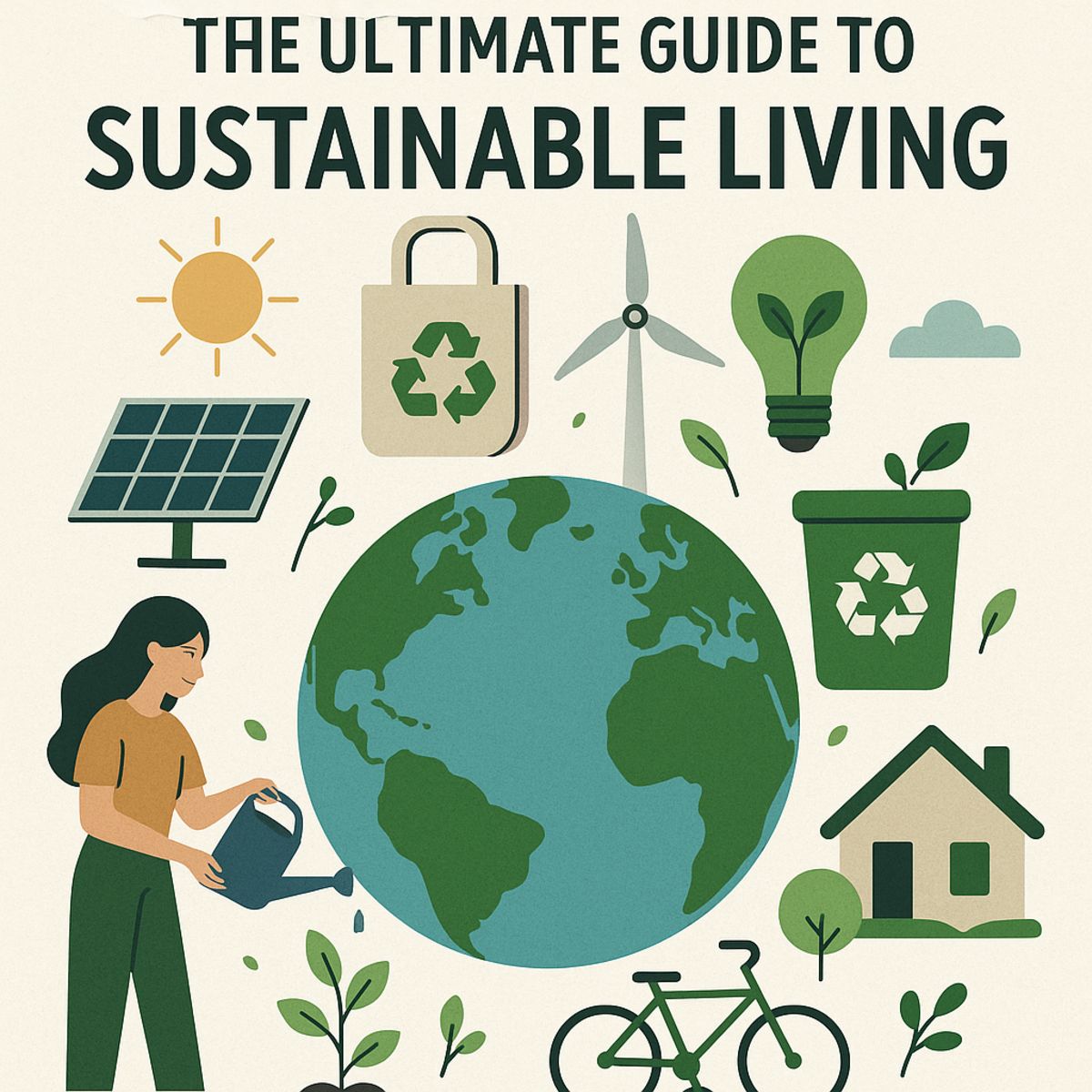
Sustainable living refers to a lifestyle that aims to reduce an individual’s or society’s use of the Earth’s natural resources. It encompasses a wide range of practices and principles that promote environmental stewardship, social equity, and economic viability. At its core, sustainable living seeks to meet the needs of the present without compromising the ability of future generations to meet their own needs.
This concept is rooted in the idea that human activities should be conducted in a way that maintains the health of the planet. Sustainable living can manifest in various forms, from reducing waste and conserving energy to supporting local economies and advocating for social justice. By adopting sustainable practices, individuals can contribute to a healthier planet and a more equitable society.
Benefits of Sustainable Living
The benefits of sustainable living extend beyond just environmental impact. One of the most significant advantages is the reduction of carbon footprints, which helps mitigate climate change. By making conscious choices about energy consumption, transportation, and food sources, individuals can significantly lower their greenhouse gas emissions.
Additionally, sustainable living promotes health and well-being. By choosing organic and locally sourced foods, individuals can improve their diets while supporting local farmers. Furthermore, reducing waste and pollution leads to cleaner air and water, which are essential for overall health. The social benefits are equally important, as sustainable practices often foster community engagement and collaboration, leading to stronger social ties and a sense of belonging.
Practical Tips for Sustainable Living
Implementing sustainable living practices can be straightforward and rewarding. One of the first steps is to reduce, reuse, and recycle. This mantra encourages individuals to minimize waste by choosing products with less packaging, repurposing items, and recycling materials whenever possible. Simple actions, such as carrying reusable bags and water bottles, can significantly reduce plastic waste.
Another practical tip is to conserve energy. This can be achieved by using energy-efficient appliances, switching to LED lighting, and being mindful of electricity usage. Additionally, consider adopting renewable energy sources, such as solar panels, to further decrease reliance on fossil fuels. Transportation is another area where sustainable choices can be made; walking, biking, carpooling, or using public transportation can reduce carbon emissions and promote a healthier lifestyle.
Sustainable Living in the Home
Your home is a significant contributor to your overall environmental impact. To create a more sustainable living space, start by assessing your energy consumption. Insulating your home properly, sealing drafts, and using energy-efficient windows can drastically reduce heating and cooling costs.
Water conservation is also crucial in sustainable living. Simple practices, such as fixing leaks, using low-flow fixtures, and collecting rainwater for gardening, can significantly decrease water usage. Furthermore, consider incorporating indoor plants that improve air quality and enhance your living environment. These small changes can lead to a more sustainable home that benefits both the planet and your family.
Sustainable Living in the Community
Sustainable living is not just an individual effort; it extends to the community level. Engaging with local organizations that promote sustainability can amplify your impact. Participate in community clean-up events, tree planting initiatives, or local farmers’ markets to support sustainable practices in your area.
Moreover, advocating for policies that promote sustainability at the local government level can lead to significant changes. Support initiatives that focus on renewable energy, waste reduction, and public transportation improvements. By working together with your community, you can create a more sustainable environment that benefits everyone.
The Future of Sustainable Living
The future of sustainable living looks promising as awareness and education about environmental issues continue to grow. Innovations in technology, such as advancements in renewable energy and sustainable agriculture, are paving the way for a more sustainable future. As more individuals and businesses adopt sustainable practices, the collective impact can lead to significant changes in how we interact with the planet.
However, challenges remain. Climate change, resource depletion, and social inequality are pressing issues that require immediate attention. It is essential for individuals, communities, and governments to work together to create solutions that promote sustainability. By fostering a culture of sustainability, we can ensure a healthier planet for future generations and create a more equitable society for all.