Mastering Personal Finance: A Comprehensive Guide to Financial Freedom
- Introduction
- Understanding Budgeting
- The Importance of Saving
- Investing Basics
- Debt Management Strategies
- Building an Emergency Fund
- Retirement Planning
- Tax Planning
- Financial Goals Setting
- Conclusion
Introduction
In today’s fast-paced world, mastering personal finance is crucial for achieving financial freedom and security. Understanding how to manage your money effectively can lead to a more fulfilling life, free from the stress of financial uncertainty. This comprehensive guide will cover essential topics such as budgeting, saving, investing, debt management, and retirement planning. Each section will provide practical advice and actionable steps to help you take control of your financial future.
Whether you’re just starting out or looking to refine your financial strategies, this article offers valuable insights for everyone. By the end of this guide, you will have a clearer understanding of personal finance and the tools necessary to implement effective financial practices in your life.
Understanding Budgeting
Budgeting is the foundation of personal finance. It involves creating a plan for how to allocate your income towards expenses, savings, and investments. A well-structured budget helps you track your spending habits and identify areas where you can cut costs. To create an effective budget, start by listing all your sources of income and all your monthly expenses.
Once you have a clear picture of your financial situation, categorize your expenses into fixed and variable costs. Fixed costs include rent, utilities, and loan payments, while variable costs encompass groceries, entertainment, and dining out. This categorization will help you understand where your money is going and where you can make adjustments.
Next, set realistic spending limits for each category based on your income and financial goals. It’s essential to be honest with yourself about your spending habits and to make adjustments as necessary. Regularly reviewing your budget will help you stay on track and make informed financial decisions.
Finally, consider using budgeting tools or apps to simplify the process. These tools can help you automate tracking and provide insights into your spending patterns, making it easier to stick to your budget.
The Importance of Saving
Saving money is a critical component of personal finance. It provides a safety net for unexpected expenses and helps you achieve your financial goals. Establishing a savings habit can be challenging, but it is essential for long-term financial stability. Start by setting a savings goal, whether it’s for an emergency fund, a vacation, or a down payment on a house.
One effective strategy for saving is the 50/30/20 rule, which suggests allocating 50% of your income to needs, 30% to wants, and 20% to savings. This approach ensures that you are prioritizing your financial health while still allowing for some discretionary spending.
Automating your savings can also make the process easier. Set up automatic transfers from your checking account to your savings account each month. This way, you won’t be tempted to spend the money before saving it. Additionally, consider opening a high-yield savings account to earn more interest on your savings.
Lastly, regularly review your savings goals and adjust them as necessary. Life circumstances change, and your savings plan should be flexible enough to accommodate those changes.
Investing Basics
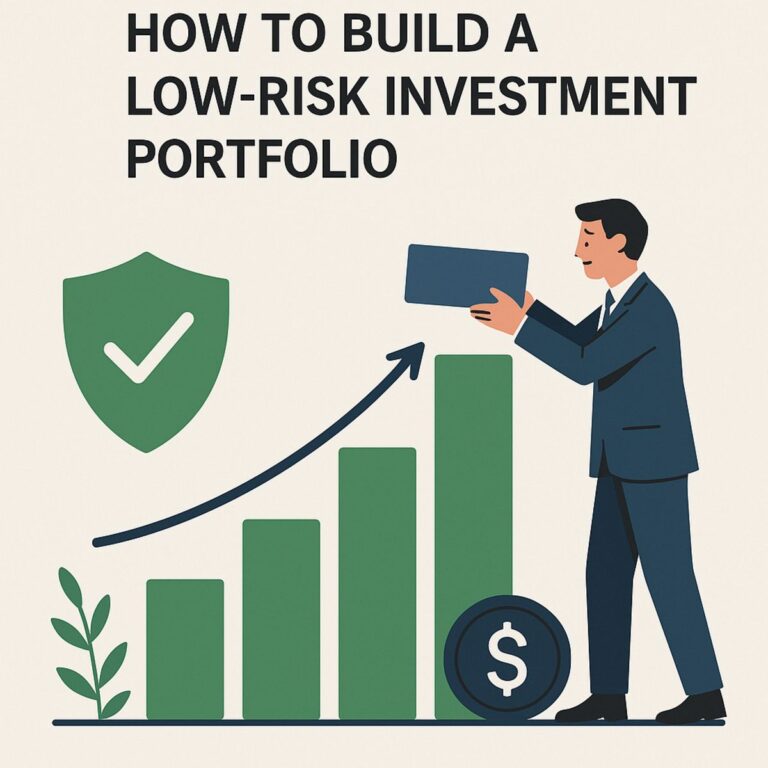
Investing is a powerful way to grow your wealth over time. Unlike saving, which typically involves low-risk accounts with minimal returns, investing allows you to take advantage of the stock market and other investment vehicles to potentially earn higher returns. Before you start investing, it’s essential to understand the different types of investments available.
Common investment options include stocks, bonds, mutual funds, and real estate. Stocks represent ownership in a company and can provide significant returns, but they also come with higher risks. Bonds are loans to governments or corporations that pay interest over time, offering more stability but lower returns. Mutual funds pool money from multiple investors to purchase a diversified portfolio of stocks and bonds.
Before investing, assess your risk tolerance and investment goals. Consider factors such as your age, financial situation, and how long you plan to invest. A younger investor may be more willing to take risks for potentially higher returns, while someone closer to retirement may prefer safer investments.
Finally, educate yourself about the market and consider seeking advice from a financial advisor. Investing can be complex, and having a knowledgeable guide can help you navigate the options and make informed decisions.
Debt Management Strategies
Managing debt is a crucial aspect of personal finance. High levels of debt can hinder your financial progress and lead to stress. To effectively manage your debt, start by assessing your current debt situation. List all your debts, including credit cards, student loans, and mortgages, along with their interest rates and minimum payments.
Once you have a clear picture of your debt, consider implementing the debt snowball or debt avalanche method. The debt snowball method involves paying off your smallest debts first, which can provide quick wins and motivate you to continue. The debt avalanche method focuses on paying off debts with the highest interest rates first, which can save you money in the long run.
Additionally, consider consolidating your debts into a single loan with a lower interest rate. This can simplify your payments and reduce the overall interest you pay. However, be cautious of taking on more debt in the process.
Finally, create a plan to avoid accumulating more debt in the future. This may involve adjusting your budget, cutting unnecessary expenses, and building an emergency fund to cover unexpected costs.
Building an Emergency Fund
An emergency fund is a crucial financial safety net that can protect you from unexpected expenses, such as medical emergencies or job loss. Ideally, your emergency fund should cover three to six months’ worth of living expenses. To build this fund, start by setting a specific savings goal and timeline.
Begin by saving a small amount each month, gradually increasing your contributions as your financial situation improves. Consider opening a separate savings account specifically for your emergency fund to avoid the temptation of using those funds for non-emergencies.
Automating your savings can also help you reach your goal faster. Set up automatic transfers to your emergency fund account each payday. This way, you won’t have to think about it, and your savings will grow consistently.
Finally, regularly review your emergency fund and adjust your savings goal as your expenses change. Life circumstances can shift, and your emergency fund should reflect your current financial needs.
Retirement Planning
Planning for retirement is essential for ensuring financial security in your later years. Start by determining how much money you will need in retirement, considering factors such as your desired lifestyle, healthcare costs, and life expectancy. A common rule of thumb is to aim for 70-80% of your pre-retirement income to maintain your standard of living.
Next, explore retirement savings options such as employer-sponsored 401(k) plans, individual retirement accounts (IRAs), and other investment vehicles. Take advantage of any employer matching contributions, as this is essentially free money that can significantly boost your retirement savings.
Consider your investment strategy for retirement accounts. A diversified portfolio that balances risk and growth potential is typically recommended. As you approach retirement age, gradually shift your investments towards more conservative options to protect your savings.
Finally, regularly review and adjust your retirement plan as needed. Life changes, market fluctuations, and evolving financial goals can all impact your retirement strategy.
Tax Planning
Effective tax planning can help you minimize your tax liability and maximize your savings. Start by understanding the different types of taxes you may be subject to, including income tax, capital gains tax, and property tax. Familiarize yourself with tax deductions and credits that can reduce your taxable income.
Consider contributing to tax-advantaged accounts, such as IRAs and 401(k)s, which can lower your taxable income while helping you save for retirement. Additionally, keep accurate records of your expenses and income to make tax filing easier and ensure you take advantage of all available deductions.
Consulting with a tax professional can also provide valuable insights and strategies for optimizing your tax situation. They can help you navigate complex tax laws and identify opportunities for savings.
Finally, stay informed about changes in tax laws that may impact your financial situation. Regularly reviewing your tax strategy can help you adapt to new regulations and maximize your savings.
Financial Goals Setting
Setting financial goals is a vital step in achieving financial success. Start by identifying your short-term, medium-term, and long-term financial goals. Short-term goals may include saving for a vacation, while long-term goals could involve buying a home or planning for retirement.
Once you have defined your goals, prioritize them based on their importance and timeline. Create a plan for how to achieve each goal, including specific actions and deadlines. This will help you stay focused and motivated as you work towards your financial objectives.
Regularly review and adjust your goals as needed. Life circumstances can change, and your financial goals should be flexible enough to accommodate those changes. Celebrate your achievements along the way to maintain motivation and commitment to your financial journey.
Conclusion
Mastering personal finance is an ongoing journey that requires dedication and discipline. By understanding budgeting, saving, investing, debt management, and retirement planning, you can take control of your financial future. Remember that financial success is not just about accumulating wealth; it’s about creating a life of security and freedom.
Implement the strategies outlined in this guide, and regularly review your financial situation to ensure you stay on track. With commitment and the right tools, you can achieve your financial goals and enjoy a more secure and fulfilling life.