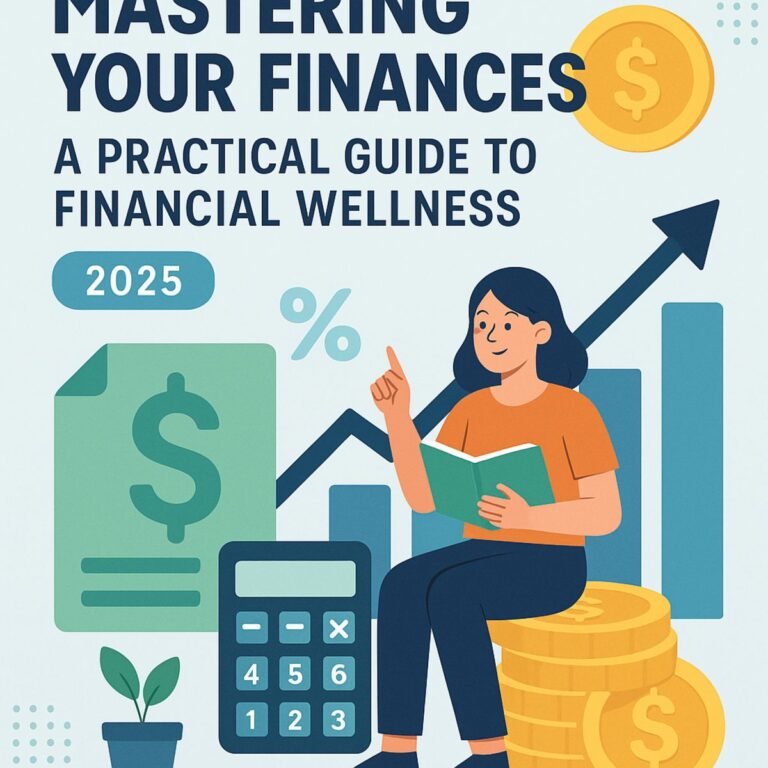
Mastering Your Finances: A Comprehensive Guide to Financial Literacy
Dive into the world of finance with our ultimate guide. From budgeting to investing, discover practical tips to enhance your financial literacy and achieve your goals.
Understanding the Basics of Personal Finance
In today’s fast-paced world, mastering your finances is more crucial than ever. Whether you’re just starting out or looking to refine your financial strategies, understanding the fundamentals can set you on a path to financial freedom.
Creating a Budget That Works for You
Personal finance encompasses all financial decisions an individual makes. It includes budgeting, saving, investing, and managing debt. Here are key concepts to grasp:
– Income: Your earnings from various sources.
– Expenses: Money spent on necessities and luxuries.
– Savings: Funds set aside for future use.
The Importance of Saving and Emergency Funds
A budget is a roadmap for your finances. Follow these steps to create an effective budget:
1. Track your income and expenses for a month.
2. Categorize your spending (fixed, variable, discretionary).
3. Set realistic spending limits for each category.
4. Review and adjust your budget monthly.
Investing 101: Building Wealth Over Time
Saving is essential for financial security. Start with these tips:
– Aim to save at least 20% of your income.
– Establish an emergency fund covering 3-6 months of expenses.
– Automate your savings to ensure consistency.
Managing Debt: Strategies for Success
Investing is key to growing your wealth. Consider these strategies:
– Start early: The power of compound interest is significant.
– Diversify your portfolio to reduce risk.
– Educate yourself on different investment vehicles (stocks, bonds, mutual funds).
Planning for Retirement: Securing Your Future
Debt can be overwhelming, but it can be managed. Here are some strategies:
– Prioritize high-interest debt first.
– Consider debt consolidation for lower interest rates.
– Create a repayment plan and stick to it.
Retirement planning is vital for long-term financial health. Follow these steps:
– Start contributing to retirement accounts early (401(k), IRA).
– Take advantage of employer matches.
– Regularly review your retirement plan and adjust as necessary.