Paano Ka Mawawalan ng Pera sa 2026 Dahil sa 9–10% Interest Rates? (At ang 6 na Bagay na Dapat Mong Gawin Ngayon Kung 30K Lang ang Sahod Mo)
content ->
Table of Contents
- Introduction to Sustainable Living
- Why Sustainable Living Matters
- Practical Tips for Sustainable Living
- Sustainable Living in the Home
- Sustainable Food Choices
- The Role of Transportation in Sustainability
- Community and Sustainability
- The Future of Sustainable Living
Introduction to Sustainable Living
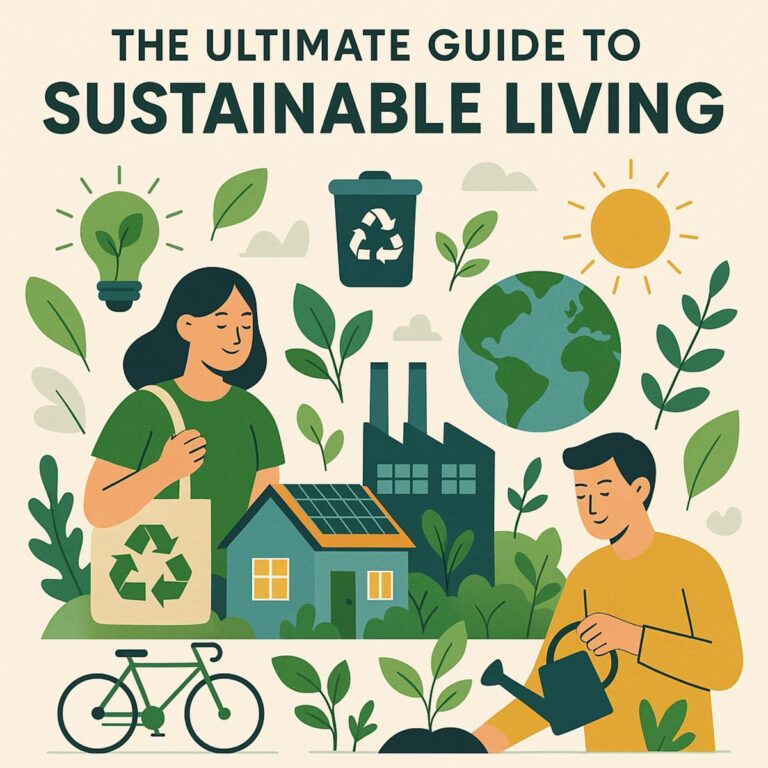
Sustainable living is a lifestyle that aims to reduce an individual’s or society’s use of the Earth’s natural resources. It encompasses a wide range of practices and choices that contribute to environmental conservation and the well-being of future generations. As the world faces increasing environmental challenges, the importance of adopting sustainable practices has never been more critical.
This guide will explore various aspects of sustainable living, providing you with practical tips and strategies to incorporate into your daily life. From reducing waste to making conscious food choices, every small action can contribute to a healthier planet.
Why Sustainable Living Matters
The urgency of sustainable living stems from the pressing environmental issues we face today, including climate change, pollution, and biodiversity loss. These challenges threaten not only the planet but also human health and well-being. By embracing sustainable living, individuals can play a crucial role in mitigating these issues.
Sustainable living promotes a balanced relationship with nature, encouraging practices that protect ecosystems and conserve resources. It fosters a sense of responsibility towards the environment and future generations, emphasizing the importance of making informed choices that benefit both people and the planet.
Practical Tips for Sustainable Living
Adopting a sustainable lifestyle doesn’t have to be overwhelming. Here are some practical tips to get you started:
1. **Reduce, Reuse, Recycle**: This classic mantra is the foundation of sustainable living. Aim to reduce waste by choosing products with minimal packaging, reusing items whenever possible, and recycling materials like paper, glass, and plastics.
2. **Conserve Water**: Simple actions like fixing leaks, taking shorter showers, and using water-efficient appliances can significantly reduce water consumption. Consider collecting rainwater for gardening and other non-potable uses.
3. **Energy Efficiency**: Switch to energy-efficient appliances and light bulbs, and consider using renewable energy sources like solar panels. Unplug devices when not in use to save energy.
Sustainable Living in the Home
Your home is a significant contributor to your overall environmental impact. Making sustainable choices in your living space can lead to substantial benefits. Start by evaluating your home’s energy efficiency and making necessary upgrades.
Consider using sustainable materials for home renovations, such as bamboo flooring or recycled glass countertops. Additionally, incorporating indoor plants can improve air quality and enhance your living environment.
Sustainable Food Choices
Food production is one of the largest contributors to environmental degradation. By making conscious food choices, you can reduce your carbon footprint and support sustainable agriculture. Start by prioritizing local and seasonal produce, which requires less transportation and supports local farmers.
Reducing meat consumption is another effective way to promote sustainability. Consider incorporating more plant-based meals into your diet, as livestock farming is resource-intensive and contributes significantly to greenhouse gas emissions.
The Role of Transportation in Sustainability
Transportation is a major source of carbon emissions, making it essential to consider sustainable alternatives. Whenever possible, opt for public transportation, carpooling, biking, or walking instead of driving alone. These choices not only reduce emissions but also promote healthier lifestyles.
If you need to drive, consider investing in a fuel-efficient or electric vehicle. Additionally, planning trips efficiently can minimize travel distances and reduce fuel consumption.
Community and Sustainability
Building a sustainable community requires collective effort. Engage with local organizations and initiatives focused on sustainability, such as community gardens, recycling programs, and clean-up events. Collaborating with others amplifies the impact of individual actions.
Advocating for sustainable policies at the local and national levels can also drive significant change. Support initiatives that promote renewable energy, conservation efforts, and sustainable urban planning.
The Future of Sustainable Living
The future of sustainable living hinges on innovation and collaboration. As technology advances, new solutions will emerge to address environmental challenges. From smart home technologies that optimize energy use to sustainable fashion practices that reduce waste, the possibilities are endless.
Ultimately, the shift towards sustainable living is not just a trend but a necessary evolution in how we interact with our planet. By making informed choices today, we can pave the way for a healthier, more sustainable future for generations to come.