Bakit Mali ang ‘Basta Mag-Invest Ka Lang’ Kapag May Utang Ka Pa? Eto ang Totoo (At 5 Bagay na Dapat Mong Unahin)
content ->
Table of Contents
- Introduction to Sustainable Living
- Benefits of Sustainable Living
- Practical Tips for Sustainable Living
- Choosing Sustainable Products
- Getting Involved in Your Community
- Resources for Sustainable Living
Introduction to Sustainable Living
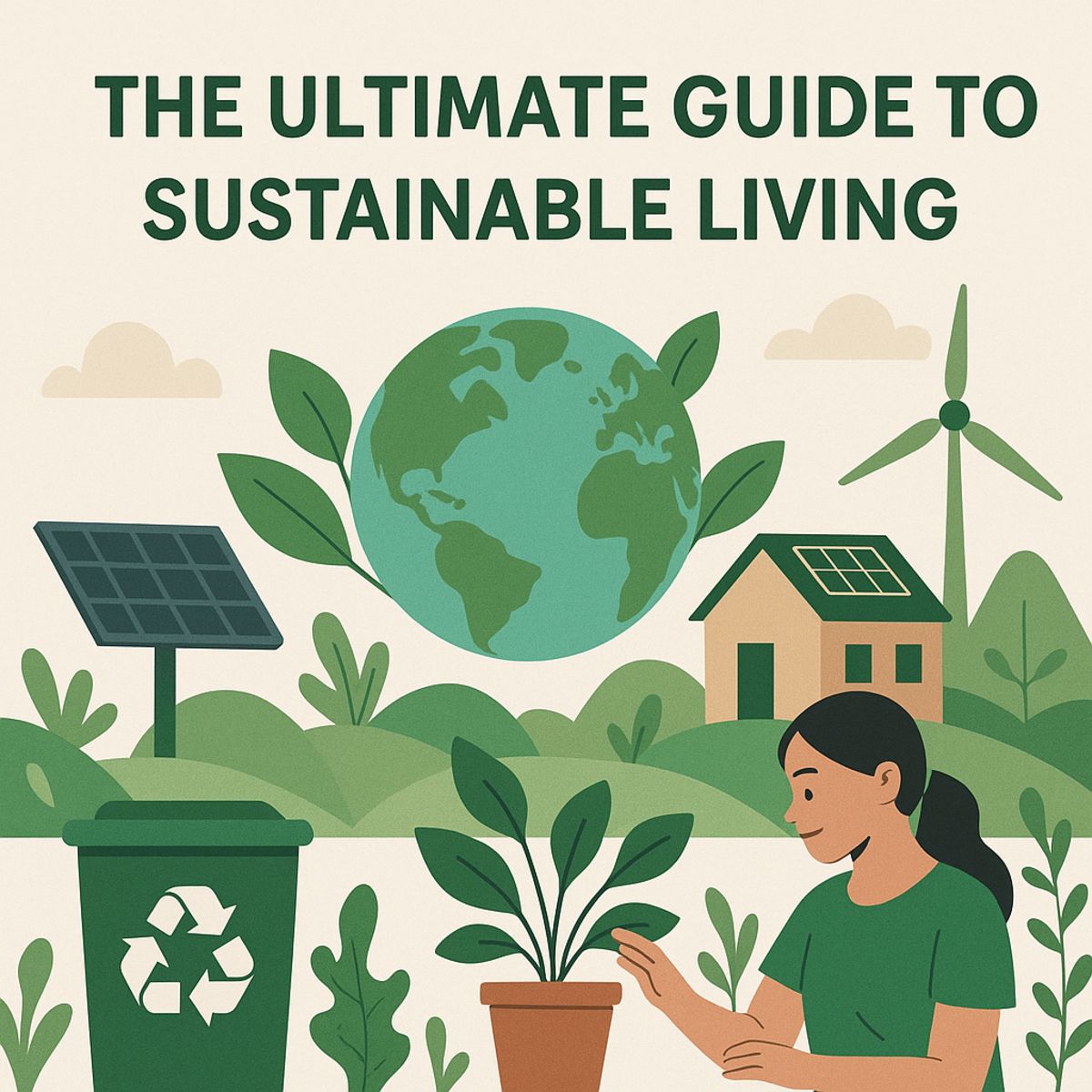
Sustainable living is a lifestyle that aims to reduce an individual’s or society’s use of the Earth’s natural resources and personal resources. It encompasses a wide range of practices and principles that promote environmental stewardship, social equity, and economic viability. The concept has gained significant traction in recent years as awareness of climate change and environmental degradation has increased.
At its core, sustainable living encourages individuals to make choices that are not only beneficial for themselves but also for the planet. This includes everything from reducing waste and conserving energy to supporting local economies and advocating for social justice. By adopting sustainable practices, we can help ensure that future generations inherit a healthy and thriving planet.
Benefits of Sustainable Living
There are numerous benefits associated with sustainable living, both for individuals and for society as a whole. One of the most significant advantages is the positive impact on the environment. By reducing waste, conserving energy, and utilizing renewable resources, we can help mitigate the effects of climate change and protect biodiversity.
Additionally, sustainable living often leads to improved health outcomes. For instance, choosing organic foods and reducing exposure to harmful chemicals can enhance overall well-being. Furthermore, sustainable practices can foster a sense of community and connection, as individuals come together to support local initiatives and share resources.
Practical Tips for Sustainable Living
Implementing sustainable practices in your daily life doesn’t have to be overwhelming. Here are some practical tips to get started:
1. **Reduce, Reuse, Recycle**: Start by minimizing waste. Reduce your consumption of single-use plastics, reuse items whenever possible, and recycle materials like paper, glass, and metals. Consider composting organic waste to enrich your garden soil.
2. **Conserve Energy**: Simple changes can lead to significant energy savings. Switch to energy-efficient appliances, use LED light bulbs, and unplug devices when not in use. Additionally, consider using public transportation, biking, or walking instead of driving.
Choosing Sustainable Products
When shopping, it’s essential to consider the sustainability of the products you purchase. Look for items that are made from renewable resources, have minimal packaging, and are produced ethically. Supporting brands that prioritize sustainability can help drive demand for more environmentally friendly products.
Additionally, consider investing in high-quality items that are designed to last. While they may have a higher upfront cost, durable products can save money in the long run and reduce waste. Explore options such as second-hand stores or local artisans for unique and sustainable finds.
Getting Involved in Your Community
One of the most effective ways to promote sustainable living is by getting involved in your community. Participate in local clean-up events, community gardens, or sustainability workshops. These activities not only help the environment but also foster connections with like-minded individuals.
Advocacy is another crucial aspect of community involvement. Support local policies that promote sustainability, such as renewable energy initiatives or waste reduction programs. By voicing your support for sustainable practices, you can help influence positive change in your community.
Resources for Sustainable Living
There are countless resources available to help you on your sustainable living journey. Online platforms, books, and local organizations can provide valuable information and support. Websites like the Environmental Protection Agency (EPA) and the World Wildlife Fund (WWF) offer tips and guidelines for sustainable practices.
Additionally, consider joining local environmental groups or online forums where you can share experiences and learn from others. Many communities also host workshops and events focused on sustainability, providing opportunities for hands-on learning and engagement.