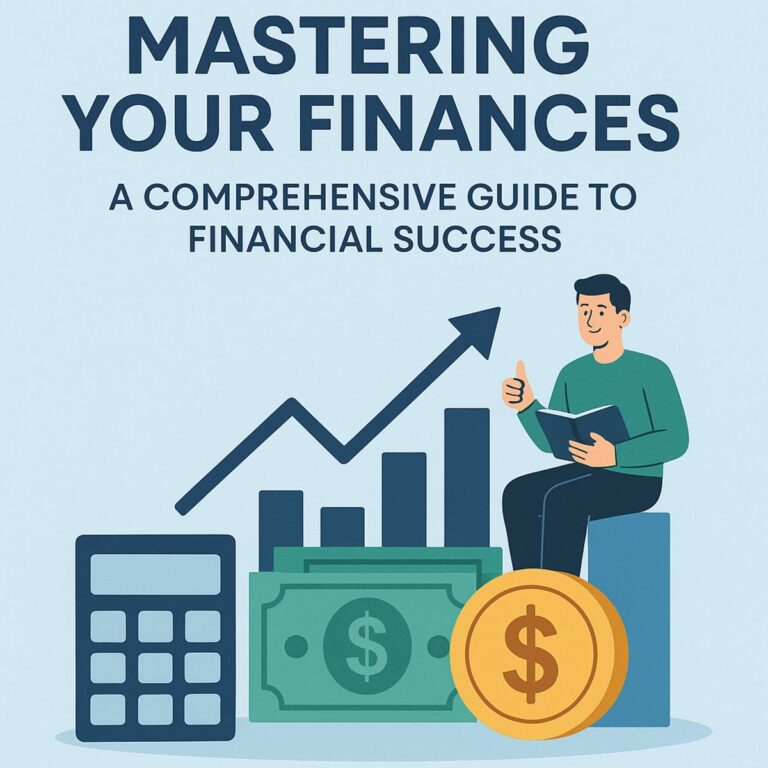
The Ultimate Guide to Personal Finance: Mastering Your Money
- Introduction
- Understanding Personal Finance
- Setting Financial Goals
- Creating a Budget
- Saving and Emergency Funds
- Managing Debt
- Investing Basics
- Retirement Planning
- Insurance and Risk Management
- Financial Literacy and Education
Introduction
In today’s fast-paced world, mastering personal finance is essential for achieving financial stability and independence. Many individuals struggle with managing their money effectively, leading to stress and uncertainty. This comprehensive guide aims to equip you with the knowledge and tools necessary to take control of your financial future. We will explore various aspects of personal finance, including budgeting, saving, investing, and planning for retirement.
Understanding personal finance is not just about making money; it’s about making informed decisions that will benefit you in the long run. This guide is designed for everyone, whether you’re just starting your financial journey or looking to refine your existing strategies. By the end of this article, you will have a solid foundation in personal finance and actionable steps to improve your financial situation.
Throughout this guide, we will delve into ten major sections, each focusing on a critical aspect of personal finance. Each section will provide detailed, practical advice to help you navigate your financial landscape. Let’s embark on this journey to financial empowerment together!
Understanding Personal Finance
Personal finance encompasses a wide range of financial activities and decisions that individuals make throughout their lives. It includes budgeting, saving, investing, and planning for future financial goals. Understanding the fundamentals of personal finance is crucial for making informed decisions that align with your financial objectives.
At its core, personal finance is about managing your money effectively. This involves tracking your income and expenses, setting financial goals, and making strategic decisions about how to allocate your resources. By understanding the principles of personal finance, you can create a roadmap for achieving your financial aspirations.
One of the key components of personal finance is financial literacy. This refers to the ability to understand and effectively use various financial skills, including budgeting, investing, and managing debt. Improving your financial literacy can empower you to make better financial decisions and avoid common pitfalls.
Additionally, personal finance is not a one-size-fits-all approach. Each individual’s financial situation is unique, influenced by factors such as income, expenses, and personal goals. Therefore, it’s essential to tailor your financial strategies to fit your specific circumstances and objectives.
Setting Financial Goals
Setting clear financial goals is a crucial step in achieving financial success. Goals provide direction and motivation, helping you stay focused on your financial journey. When setting financial goals, it’s essential to be specific, measurable, achievable, relevant, and time-bound (SMART).
Start by identifying your short-term, medium-term, and long-term financial goals. Short-term goals may include saving for a vacation or paying off a credit card, while medium-term goals could involve saving for a down payment on a house. Long-term goals often focus on retirement savings or funding a child’s education.
Once you have identified your goals, prioritize them based on their importance and urgency. This will help you allocate your resources effectively and ensure that you are making progress toward your most critical objectives. Remember to regularly review and adjust your goals as your financial situation and priorities change.
Additionally, consider writing down your goals and creating a vision board to visualize your financial aspirations. This can serve as a constant reminder of what you are working toward and help keep you motivated on your financial journey.
Creating a Budget
A budget is a fundamental tool for managing your finances effectively. It allows you to track your income and expenses, ensuring that you live within your means and work toward your financial goals. Creating a budget involves several key steps.
First, gather all your financial information, including income sources, fixed expenses (such as rent or mortgage payments), and variable expenses (such as groceries and entertainment). This will give you a clear picture of your financial situation.
Next, categorize your expenses into essential and discretionary categories. Essential expenses are necessary for your daily living, while discretionary expenses are non-essential and can be adjusted or eliminated if needed. This categorization will help you identify areas where you can cut back and save more.
Once you have a clear understanding of your income and expenses, set spending limits for each category. This will help you stay accountable and ensure that you are not overspending in any area. Regularly review your budget to track your progress and make adjustments as necessary.
Finally, consider using budgeting tools or apps to simplify the budgeting process. These tools can help you track your spending in real-time and provide insights into your financial habits, making it easier to stick to your budget.
Saving and Emergency Funds
Saving money is a crucial aspect of personal finance, providing a safety net for unexpected expenses and helping you achieve your financial goals. One of the first steps in building your savings is to establish an emergency fund.
An emergency fund is a separate savings account that is set aside for unexpected expenses, such as medical bills or car repairs. Financial experts recommend saving three to six months’ worth of living expenses in your emergency fund. This will provide you with a financial cushion in case of unforeseen circumstances.
To build your emergency fund, start by setting a monthly savings goal. Automate your savings by setting up a direct deposit from your paycheck into your emergency fund. This will make saving easier and ensure that you are consistently contributing to your fund.
In addition to your emergency fund, consider setting up separate savings accounts for specific financial goals, such as a vacation or a new car. This will help you stay organized and motivated as you work toward your objectives.
Finally, remember that saving is a gradual process. Celebrate small milestones along the way to keep yourself motivated and committed to your savings goals.
Managing Debt
Debt can be a significant barrier to achieving financial stability. Effectively managing your debt is essential for improving your financial health and reducing stress. Start by assessing your current debt situation, including the total amount owed, interest rates, and monthly payments.
Once you have a clear understanding of your debt, prioritize paying off high-interest debt first, such as credit cards. Consider using the debt snowball or debt avalanche method to tackle your debt systematically. The debt snowball method involves paying off the smallest debts first, while the debt avalanche method focuses on paying off debts with the highest interest rates first.
Additionally, consider consolidating your debt through a personal loan or balance transfer credit card. This can help you lower your interest rates and simplify your monthly payments. However, be cautious of any fees associated with consolidation and ensure that it aligns with your overall financial strategy.
Finally, avoid taking on new debt while you are working to pay off existing debt. This may require making lifestyle adjustments and prioritizing your financial goals over immediate gratification.
Investing Basics
Investing is a powerful tool for building wealth and achieving long-term financial goals. Understanding the basics of investing is essential for making informed decisions about where to allocate your money. Start by familiarizing yourself with different types of investments, including stocks, bonds, mutual funds, and real estate.
Before you begin investing, it’s crucial to establish your risk tolerance and investment goals. Risk tolerance refers to your ability and willingness to endure fluctuations in the value of your investments. Consider factors such as your age, financial situation, and investment timeline when determining your risk tolerance.
Once you have a clear understanding of your risk tolerance, consider diversifying your investment portfolio. Diversification involves spreading your investments across different asset classes to reduce risk. This can help protect your portfolio from market volatility and improve your chances of achieving consistent returns.
Additionally, consider investing for the long term. While short-term trading can be tempting, it often comes with higher risks and fees. Focus on building a diversified portfolio that aligns with your long-term financial goals and allows your investments to grow over time.
Finally, consider seeking the advice of a financial advisor if you’re unsure about where to start. A professional can help you create a personalized investment strategy that aligns with your financial goals and risk tolerance.
Retirement Planning
Planning for retirement is a critical aspect of personal finance that requires careful consideration and preparation. Start by determining your retirement goals, including when you want to retire and what kind of lifestyle you envision during retirement.
Next, assess your current retirement savings and determine how much you need to save to achieve your goals. Financial experts recommend saving at least 15% of your income for retirement, but this may vary based on your individual circumstances.
Consider taking advantage of employer-sponsored retirement plans, such as a 401(k) or pension plan. These plans often come with tax benefits and may include employer matching contributions, which can significantly boost your retirement savings.
In addition to employer-sponsored plans, consider opening an individual retirement account (IRA) to further enhance your retirement savings. There are two main types of IRAs: traditional and Roth. Each has its own tax implications, so it’s essential to understand the differences and choose the one that aligns with your financial situation.
Finally, regularly review and adjust your retirement plan as needed. Life circumstances and financial markets can change, so it’s crucial to stay proactive and ensure that you are on track to meet your retirement goals.
Insurance and Risk Management
Insurance is a vital component of personal finance, providing protection against unforeseen events that could have a significant financial impact. Understanding the different types of insurance and how they fit into your financial plan is essential for managing risk effectively.
Start by assessing your insurance needs, including health, auto, home, and life insurance. Each type of insurance serves a specific purpose and can help protect you and your assets from financial loss. For example, health insurance can help cover medical expenses, while life insurance can provide financial support for your loved ones in the event of your passing.
When selecting insurance policies, consider factors such as coverage limits, deductibles, and premiums. It’s essential to strike a balance between adequate coverage and affordability. Additionally, regularly review your insurance policies to ensure that they align with your current needs and circumstances.
In addition to traditional insurance, consider exploring other risk management strategies, such as creating an emergency fund and diversifying your investments. These strategies can help mitigate financial risks and provide additional security for your financial future.
Financial Literacy and Education
Improving your financial literacy is a lifelong journey that can significantly impact your financial well-being. Financial literacy refers to the ability to understand and effectively manage various financial concepts, including budgeting, saving, investing, and debt management.
Start by educating yourself through books, online courses, and financial blogs. There are numerous resources available that can help you enhance your financial knowledge and skills. Additionally, consider attending workshops or seminars on personal finance topics to gain insights from experts in the field.
Engaging with a financial advisor can also be beneficial, especially if you’re looking for personalized guidance. A financial advisor can help you create a comprehensive financial plan and provide ongoing support as you work toward your financial goals.
Finally, make it a habit to stay informed about current financial trends and news. Understanding the broader economic landscape can help you make informed decisions about your finances and adapt your strategies as needed.
By prioritizing financial literacy and education, you can empower yourself to make informed decisions and achieve financial success.